門松 · KADOMATSU
Gate pines
A pair of bamboo, pine and plum arrangements that give the New Year spirit a place to rest when it visits your home.
📍 Both sides of the entrance
From the last Christmas lights to the first sunrise of 2027 — a simple guide to Japanese New Year decor: what to put up, where, and exactly when.
Japanese New Year decorations are not just pretty. Each one has a job: to welcome Toshigami-sama, the spirit who brings luck for the coming year.
A pair of bamboo, pine and plum arrangements that give the New Year spirit a place to rest when it visits your home.
📍 Both sides of the entrance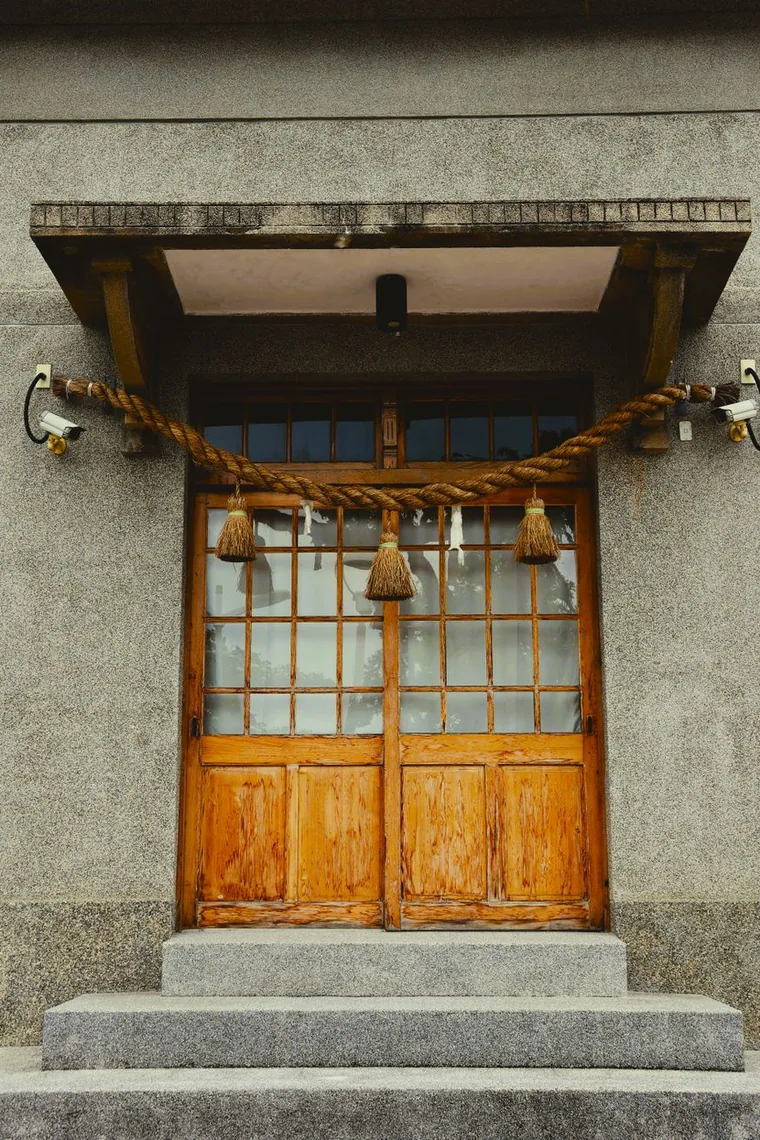
Braided straw rope with white paper shide — it purifies the doorway and keeps bad luck outside. Modern versions mix in pine, gold and red.
📍 Front door or above it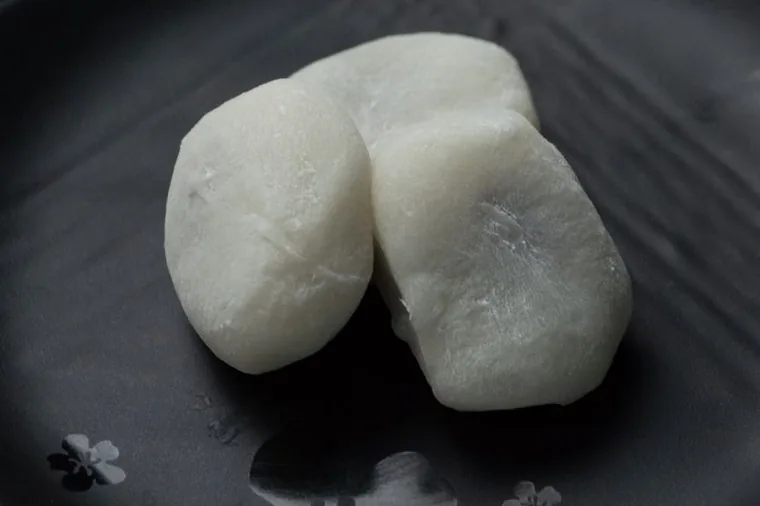
Two stacked round mochi topped with a daidai orange — an offering that stands for one family carrying on from year to year.
📍 Living room or tokonomaIn Japan the day you put decorations up matters as much as the decorations themselves. Here's the traditional schedule.
Traditional start of New Year prep. Plan decor and begin the big clean.
Swap the tree and Western ornaments for New Year pieces.
8 is a lucky number — the most popular day to put everything up.
29 sounds like "double suffering"; the 31st is seen as rushed, last-minute respect.
End of matsu-no-uchi in most of Japan (around Jan 15 in Kansai).
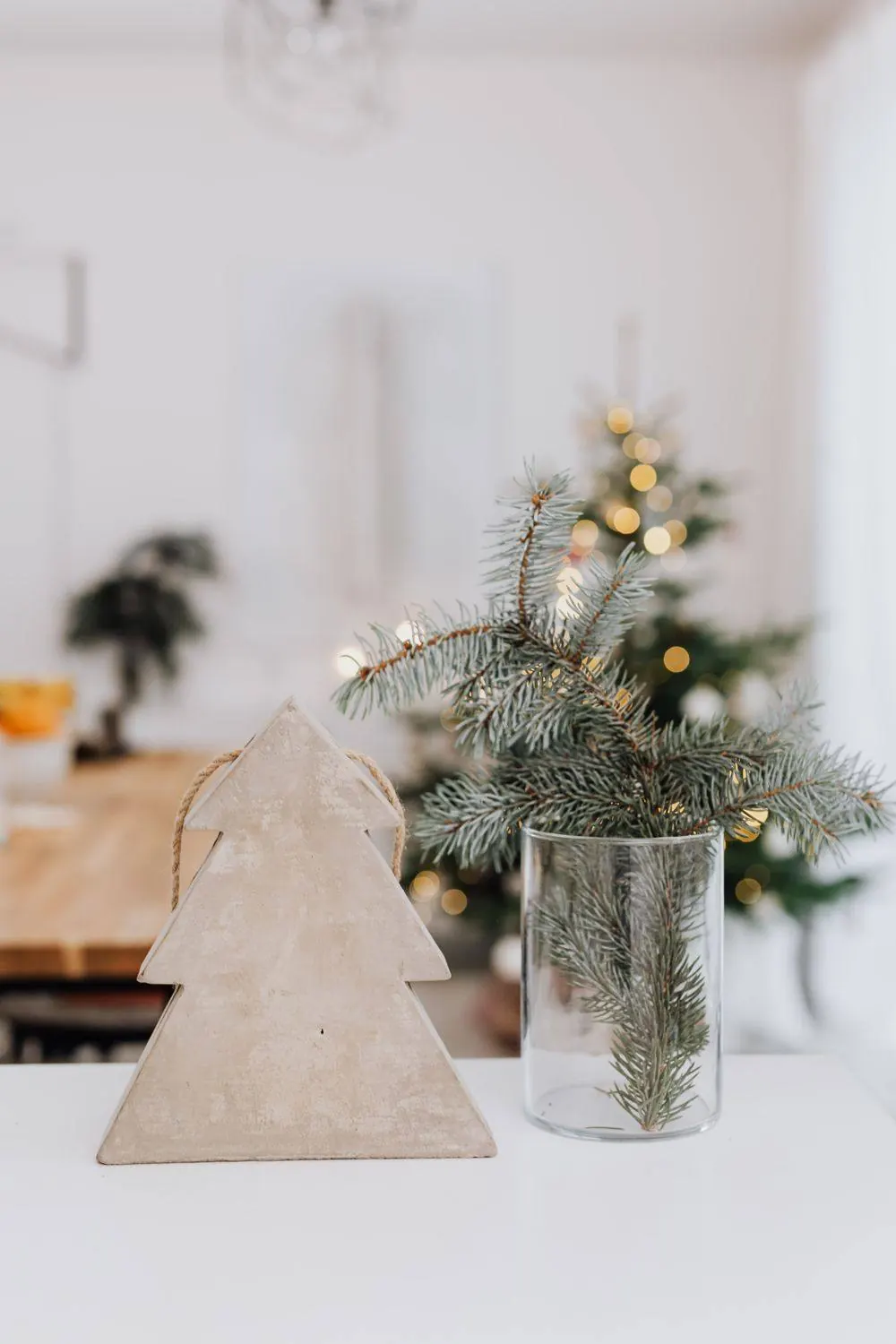
Osoji — the year-end deep clean — clears out the old year so the new one arrives in a fresh home.
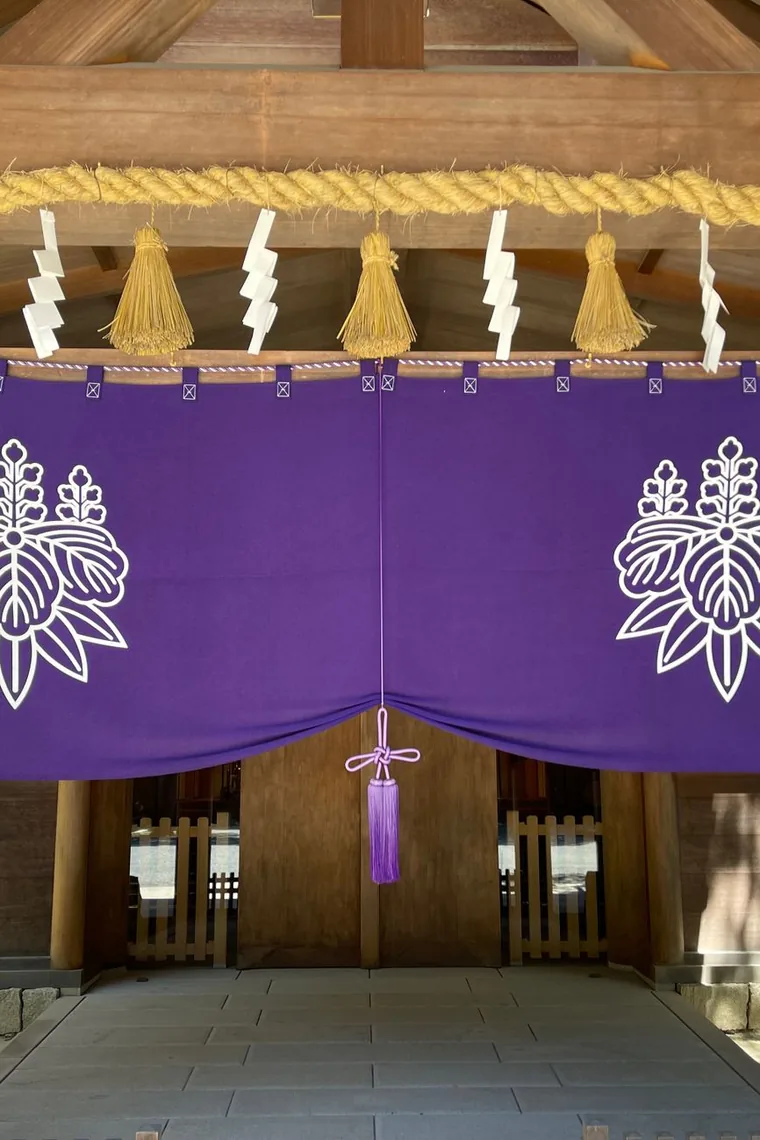
Shimekazari on the door, a small kadomatsu pair on each side.
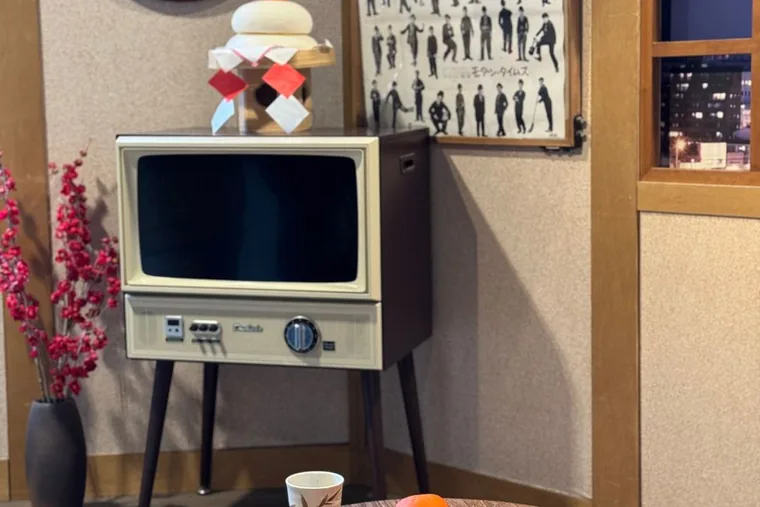
Kagami mochi on a low shelf, warm lights along the window.
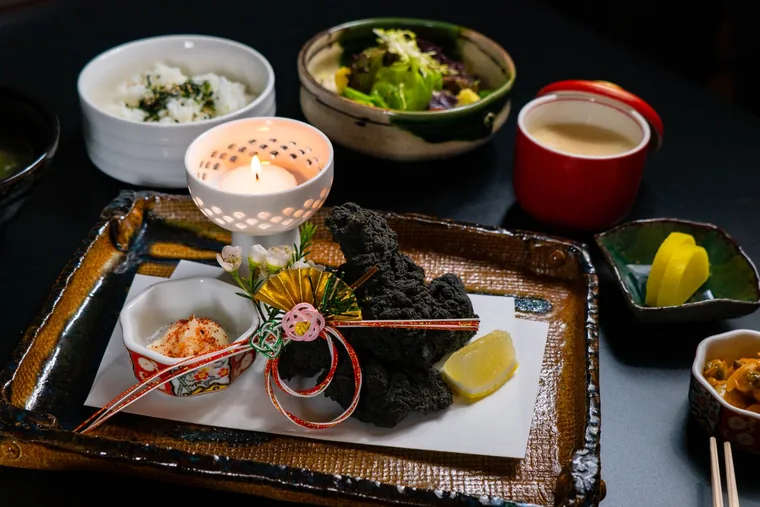
Red and gold runner, pine sprigs and candles for the osechi meal.
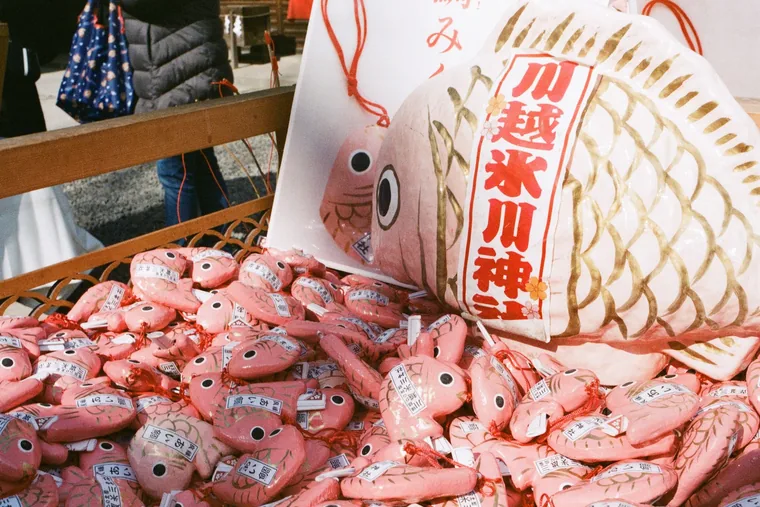
Pine cones, a lucky zodiac figure and a single string of warm LEDs.
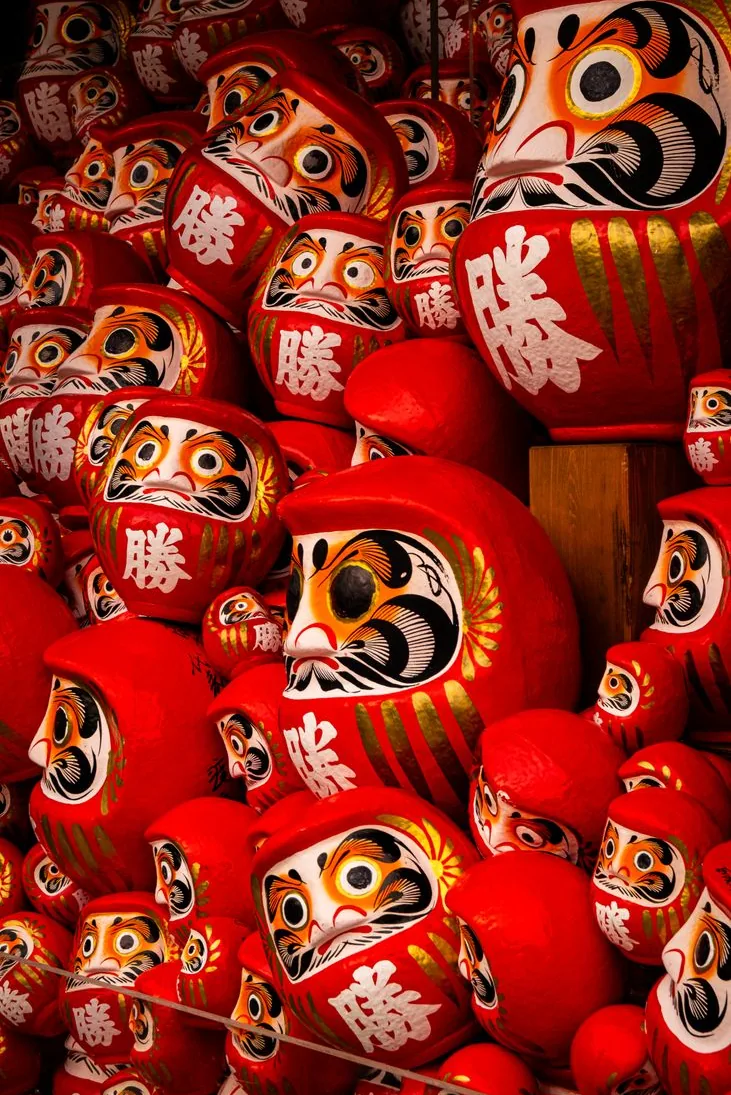

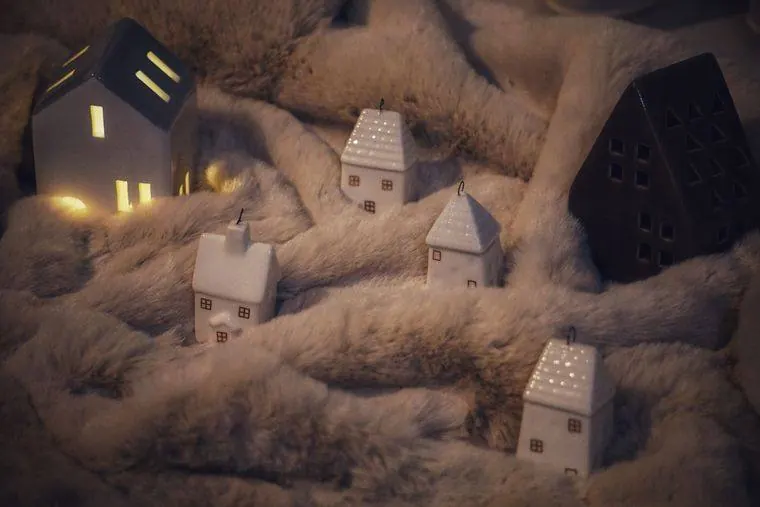
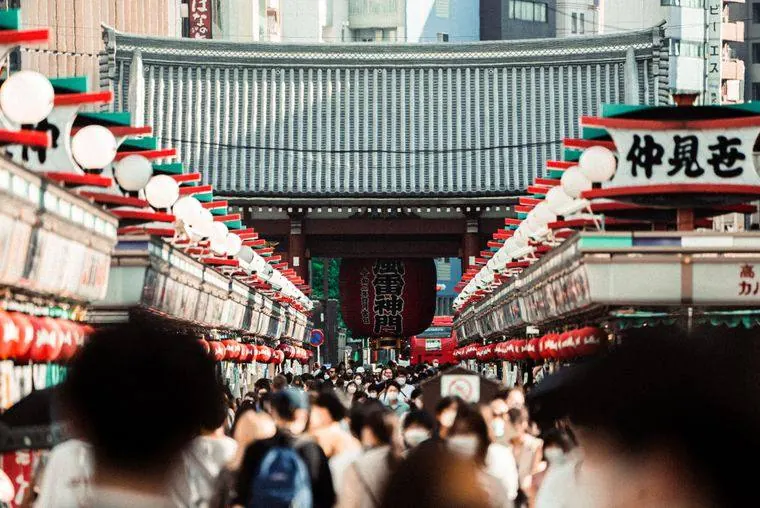
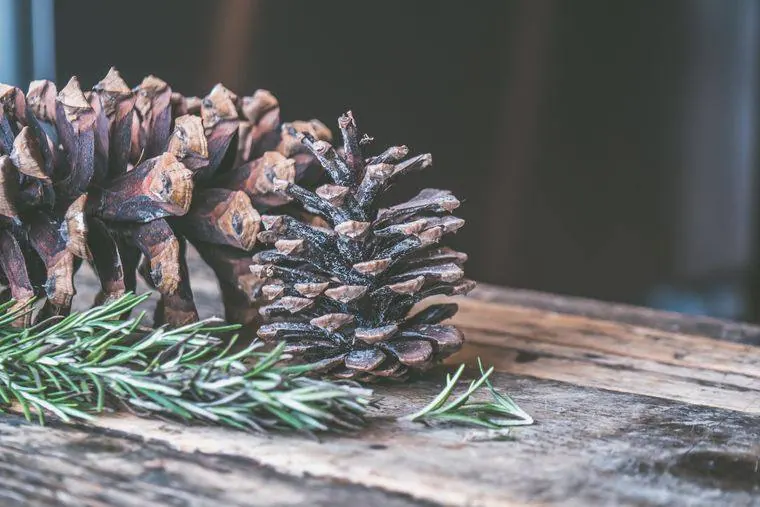
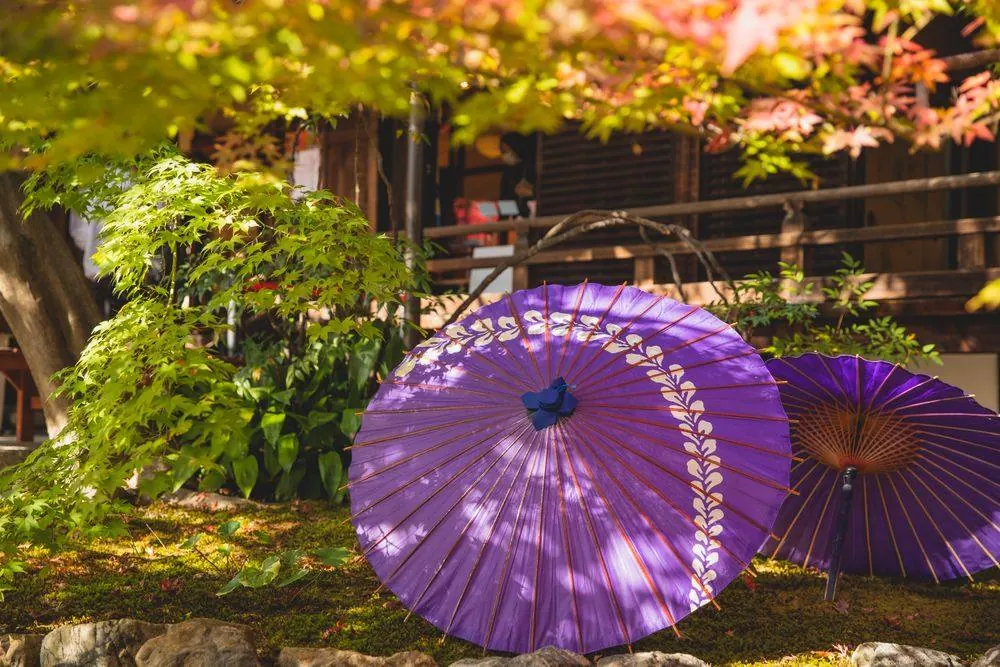
Tabletop kadomatsu (20–30 cm) look great by the door of an apartment and don't block hallways.
Hang shimekazari with an over-door hook or removable adhesive hooks — rental-safe.
One string of warm white LEDs across a window does more than a box of small ornaments.
Keep a few pine elements from Christmas — they carry over naturally into the New Year look.
Reusable pieces last for years if you wrap them in paper and keep them dry until next December.
Battery lights on the railing are a simple, neighbour-friendly way to mark the season.
Most families in Japan take Christmas down on the 26th and switch to New Year decor. Neutral pieces like pine greenery and warm lights can stay.
December 30 is also fine. Just try to avoid the 29th and the 31st.
On kagami-biraki, usually January 11. The mochi is broken by hand or with a mallet — never cut with a knife — and often cooked in soup.
Yes. Many homes, especially apartments, use reusable artificial pieces. They're practical and can be used year after year.
A one-page printable plan: cleaning, decorating and take-down dates, plus a reminder before December 28.